Mastering Multi-Level Link Building in 2026
Common canonical usage cases: HTTP vs HTTPS versions of the same pagewww vs non-www variantsPaginated material (page 2, page 3, and so on)Criterion URLs produced by filters or arranging optionsSyndicated content republished on other sitesWithout proper canonicalization, equity spreads across multiple versions of the exact same content. Google will frequently choose a canonical on its own.
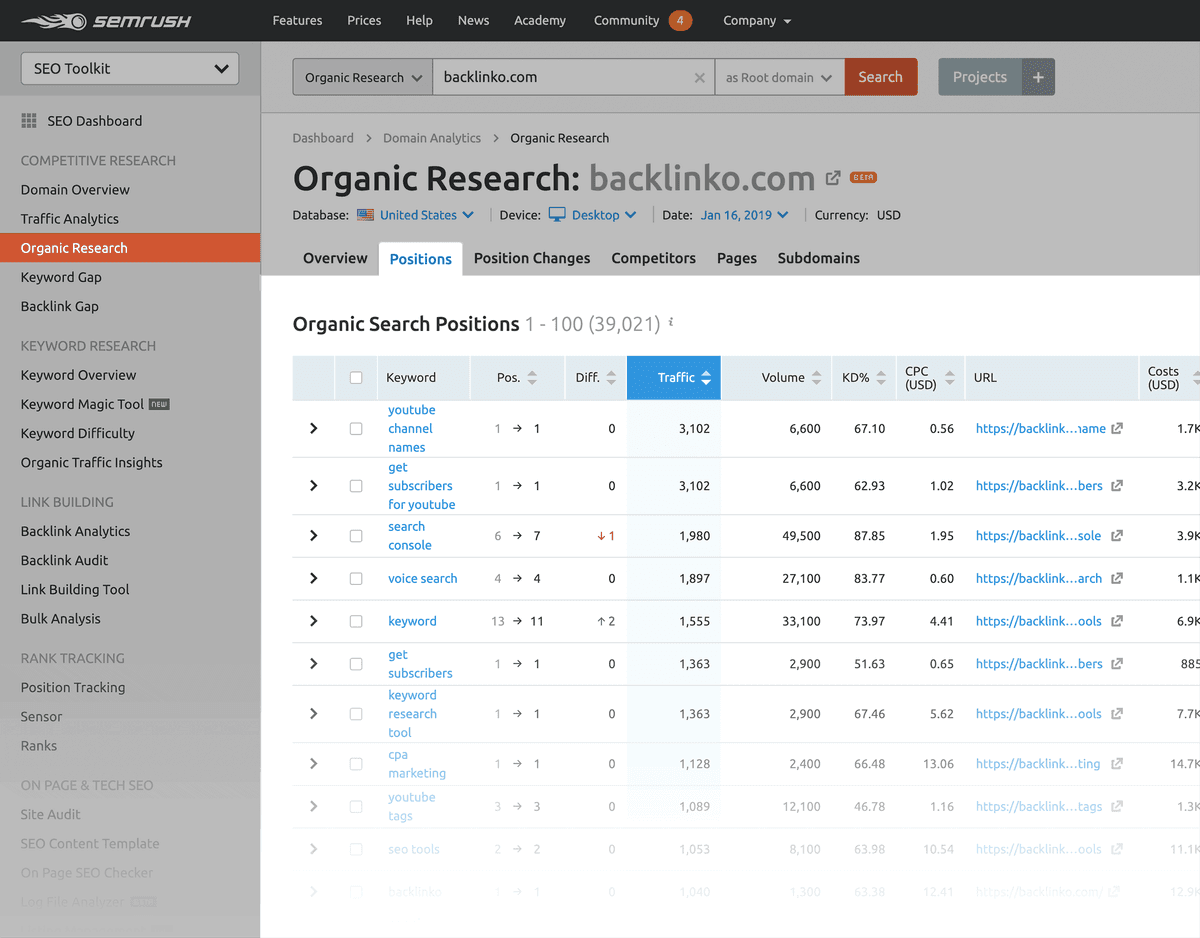
Set canonical tags clearly. Theory assists. Execution wins. Utilize this four-step audit to find where your website leakages equity and where distribution breaks down. Pull your backlink profile in Ahrefs or Semrush, then sort by referring domains. Pages with the most special referring domains are your equity powerhouses. They bring the most authority to pass through internal links.
We use them as the beginning point for internal linking decisions. Focus on the following: Zero internal links point to them, so they sit outside your equity distribution network.
Scaling Performance Through Automated Search Workflows
Equity streams in and stops. Any internal link that returns a 404 breaks the flow. Update the link or add a redirect. Internal links that travel through 2 or more redirects before reaching the destination. Collapse the chain to a single hop. Once you have your equity powerhouses and equity leaks mapped, validate that equity reaches the pages that matter for revenue.
The homepage shouldn't be the final stop - there requires to be a clear internal course to revenue-driving pages. Blog content should indicate service pages where it makes good sense, not only to other article. Pillar pages ought to link to their cluster content, and cluster material need to link back.
The fix is simple: include contextual internal links from high-equity pages to the pages you need to rank. One internal link from a page with 50 referring domains can raise efficiency more than a brand-new backlink from a DR 20 site. Your incoming backlink profile identifies how much total equity your website holds.
Our guide on determining and removing hazardous backlinks strolls through the cleanup process. Keep it natural, not over-optimised. A healthy profile alters branded and generic, with keyword-rich anchors capped at 10-15% of the total. Hyperlinks disappear when a host page gets removed, a domain expires, or an editor strips the link.
Integrating Link Analytics Into Modern Ranking Strategies
Every dropped link is equity you no longer have, and when a high-value placement goes missing, fresh outreach to re-earn it often makes good sense. Connect equity doesn't stop at traditional organic rankings. Google's AI Overviews - the AI-generated summary boxes that show above standard outcomes - pull citations from pages that already rank in the organic leading 10.
Those top-10 rankings follow a familiar chain. Connect equity lifts organic rankings, and natural rankings drive AI Summary citations. Construct link equity and you don't simply go up the classic SERP - you also put your pages in the swimming pool that powers the AI layer sitting above it. That same "ranking-first" pattern appears in LLM platforms like ChatGPT, Perplexity, and Google Gemini.
In practice, the pages they mention overlap greatly with pages that currently have strong backlink profiles and high domain authority - the very same pages that carry out in traditional search. That overlap produces a compounding impact across channels. Pages with strong link equity rank greater, make AI Overview citations, and appear more frequently in LLM reactions.
Securing Sustainable Search Authority Effectively
Pages that avoid link building miss all 3. For link builders, the takeaway remains simple.
"Link juice" is the casual term that caught on in early SEO. "Link equity" is the term we use in customer work due to the fact that it's cleaner and closer to how search engines treat link signals. Both indicate the very same thing - the worth, authority, and ranking power that flows from one page to another through a link.
Google changed its treatment of nofollow in 2019, moving it from a strict instruction - "never follow this link" - to a hint - "we may or may not follow this link." In real link structure, equity through nofollow links stays minimal and undependable, so dofollow links stay the priority.
Future-Proofing Visibility With Secure SEO Strategies
Yes, and it occurs more often than the majority of site owners understand. Equity drops when a host removes a backlink, when linking pages return 404s since a domain expired or content got erased, or when redirect chains break during a migration. Regular tracking in tools like Ahrefs or Google Search Console captures losses before they accumulate.
GSA SER Profile FootprintLink impact compounds, and the full worth of a strong backlink can take a number of months to reveal up. Each outgoing link shares a portion of your page's equity with the location page.
A page that mentions Moz, Google paperwork, and industry research generally gain from that context instead of losing ground.
Guest post link building is the SEO practice of publishing a short article on another website in order to acquire a contextual backlink to your website. It's one of the most typical link structure techniques in the seo market. According to PressWhizz's own link structure statistics page, 74% of SEOs spend for links, and nearly 90% see a rankings lift from links within the very first 6 months.
And, if you're here, you probably have numerous challenging questions on your mind. In this guide we will address all of these questions and more with real first-hand experience from our visitor post market. You'll learn why visitor posts are still reliable, how to prevent Google charges, how links affect SEO, and the essentials of how to do guest post link structure yourself.
Optimizing Tiered Link Architecture in 2026
Yes, guest post links still work, so long as they come from top quality sites that pertain to your site and have real traffic, rankings, and backlink profiles of their own. The most essential elements that determine guest post link quality are: Topical relevance: Both the domain and the specific page you develop require to cover a subject related to your specific niche.
Page-level strength: The short article requires to be indexed, internally connected, and ideally carrying referring domains of its own. Outbound link profile: Select sites that do not connect to thousands of other websites.
Content quality: Spun AI posts don't rank, and a page that does not rank passes practically absolutely nothing. So, focus on writing initial, quality material that human readers can in fact engage with. To comprehend why guest post backlinks still work for SEO, you need to understand how Google ranks sites. Backlinks run as votes of self-confidence in between websites.