Protecting Visibility With Modern Link Tactics

Typical canonical usage cases: HTTP vs HTTPS versions of the very same pagewww vs non-www variantsPaginated content (page 2, page 3, etc)Specification URLs generated by filters or arranging optionsSyndicated material republished on other sitesWithout proper canonicalization, equity spreads across several versions of the same content. Google will typically choose a canonical by itself.
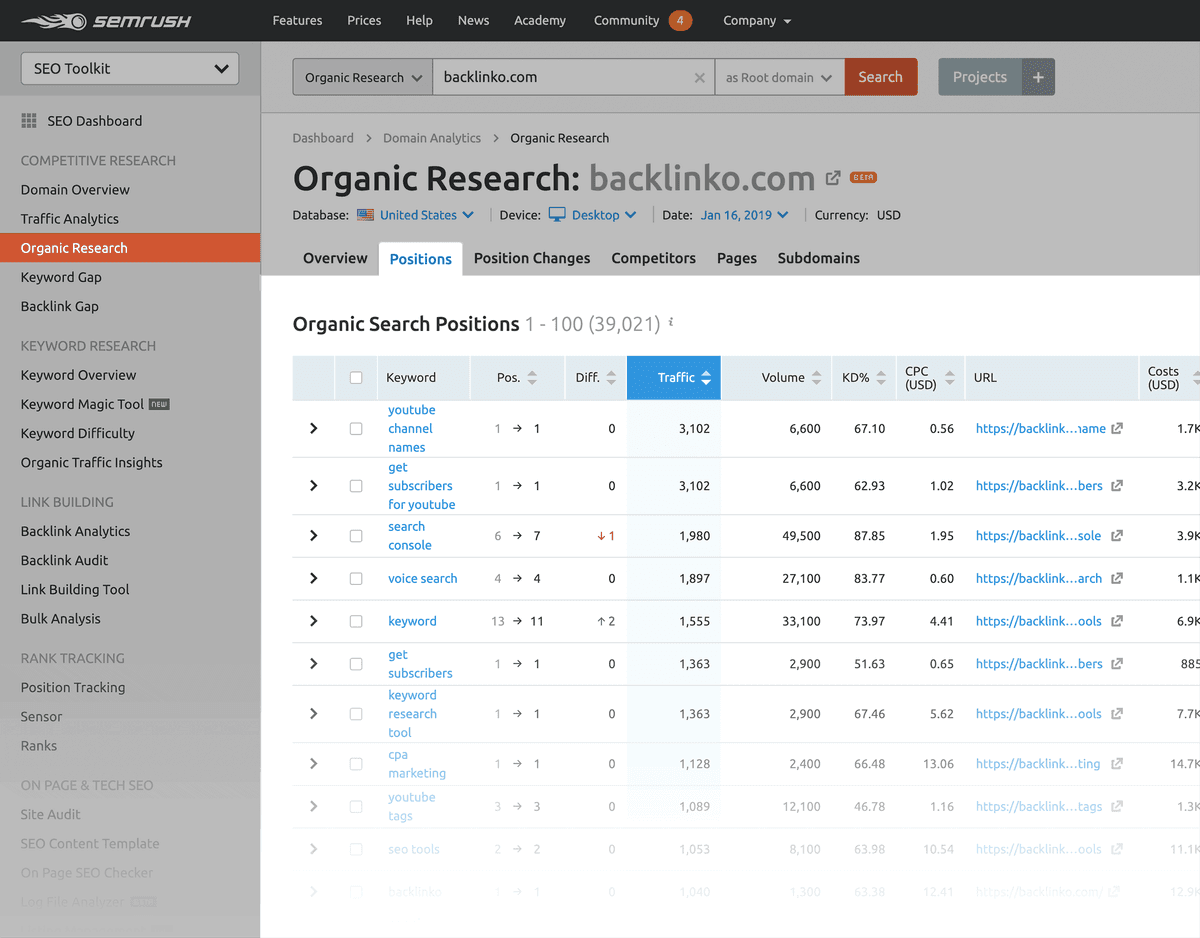
Set canonical tags explicitly. Theory assists. Execution wins. Utilize this four-step audit to find where your website leakages equity and where circulation breaks down. Pull your backlink profile in Ahrefs or Semrush, then sort by referring domains. Pages with the most distinct referring domains are your equity powerhouses. They bring the most authority to travel through internal links.
We use them as the starting point for internal linking choices. Focus on the following: No internal links point to them, so they sit outdoors your equity circulation network.
Securing Sustainable Digital Authority Effectively
Equity flows in and stops. Any internal link that returns a 404 breaks the circulation. Update the link or include a redirect. Internal links that travel through two or more redirects before reaching the destination. Collapse the chain to a single hop. When you have your equity powerhouses and equity leaks mapped, validate that equity reaches the pages that matter for earnings.
The homepage should not be the last stop - there requires to be a clear internal course to revenue-driving pages. Blog content need to point to service pages where it makes sense, not only to other blog site posts. Pillar pages should link to their cluster material, and cluster content should link back.
The repair is simple: include contextual internal links from high-equity pages to the pages you require to rank. One internal link from a page with 50 referring domains can lift performance more than a brand-new backlink from a DR 20 website. Your inbound backlink profile identifies just how much overall equity your website holds.
Our guide on recognizing and removing toxic backlinks strolls through the cleanup process. Keep it natural, not over-optimised. A healthy profile skews branded and generic, with keyword-rich anchors topped at 10-15% of the total. Hyperlinks vanish when a host page gets gotten rid of, a domain expires, or an editor strips the link.
Why Granular Data Metrics Scale in 2026
Every dropped link is equity you no longer have, and when a high-value positioning goes missing, fresh outreach to re-earn it frequently makes good sense. Link equity doesn't stop at standard organic rankings. Google's AI Overviews - the AI-generated summary boxes that reveal above standard outcomes - pull citations from pages that already rank in the natural top 10.
Those top-10 rankings follow a familiar chain. Link equity lifts natural rankings, and natural rankings drive AI Summary citations. Construct link equity and you do not just go up the traditional SERP - you also put your pages in the pool that powers the AI layer sitting above it. That very same "ranking-first" pattern appears in LLM platforms like ChatGPT, Perplexity, and Google Gemini.
In practice, the pages they point out overlap greatly with pages that already have strong backlink profiles and high domain authority - the very same pages that carry out in conventional search. That overlap creates a compounding impact across channels. Pages with strong link equity rank greater, earn AI Introduction citations, and reveal up more frequently in LLM responses.
The Evolution of Authority Link Building Systems
Pages that avoid link building miss all 3. For link contractors, the takeaway remains basic.
"Link juice" is the informal term that caught on in early SEO. "Link equity" is the term we utilize in customer work due to the fact that it's cleaner and closer to how online search engine treat link signals. Both mean the exact same thing - the value, authority, and ranking power that streams from one page to another through a hyperlink.
Google altered its treatment of nofollow in 2019, shifting it from a rigorous regulation - "never ever follow this link" - to a tip - "we might or may not follow this link." In genuine link building, equity through nofollow links stays very little and unreliable, so dofollow links stay the concern.
Integrating Data Analytics Into Advanced Ranking Strategies
Yes, and it happens regularly than a lot of website owners understand. Equity drops when a host gets rid of a backlink, when linking pages return 404s because a domain ended or material got deleted, or when redirect chains break during a migration. Regular tracking in tools like Ahrefs or Google Browse Console captures losses before they accumulate.
GSA SER project guidesLink effect compounds, and the full value of a strong backlink can take several months to show up. Each outbound link shares a portion of your page's equity with the destination page.
A page that points out Moz, Google documents, and market research usually advantages from that context instead of losing ground.
Visitor post link structure is the SEO practice of releasing a short article on another site in order to get a contextual backlink to your website. It is among the most common link building methods in the search engine optimization market. According to PressWhizz's own link building data page, 74% of SEOs pay for links, and nearly 90% see a rankings lift from links within the first 6 months.
And, if you're here, you probably have many difficult questions on your mind. In this guide we will address all of these concerns and more with genuine first-hand experience from our visitor post market. You'll discover why guest posts are still efficient, how to prevent Google penalties, how links affect SEO, and the fundamentals of how to do guest post link structure yourself.
GSA SER project guidesAutomated Content Workflows for Modern Campaigns
Yes, guest post links still work, so long as they originate from top quality websites that pertain to your site and have real traffic, rankings, and backlink profiles of their own. The most essential aspects that figure out guest post link quality are: Topical importance: Both the domain and the particular page you build require to cover a subject related to your specific niche.
Page-level strength: The post requires to be indexed, internally connected, and preferably bring referring domains of its own. Outbound link profile: Select websites that do not connect to thousands of other websites.
Content quality: Spun AI short articles do not rank, and a page that does not rank passes practically absolutely nothing. Backlinks operate as votes of self-confidence between websites.