Scaling Performance With Data-Driven Search Systems
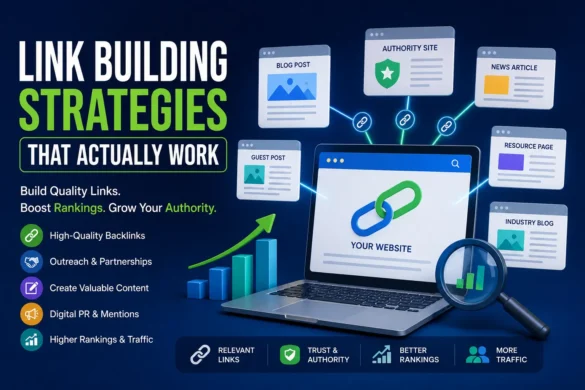
Connect equity is the ranking value that flows from one webpage to another through hyperlinks. Likewise called "link juice," it discusses why backlinks move rankings - and why not all backlinks carry the same weight. A link from a high-authority, topically relevant page passes more equity than a link from a low-grade or off-topic website.
This guide breaks down how link equity works, what manages how much value a link transfers, and how to investigate and increase it throughout your website. We develop links for a living at Rhino Rank, so this topic sits at the center of what we do.
Connect equity is the authority, trust, and ranking power that passes from one page to another through a hyperlink. When Page A connects to Page B, a part of Page A's accumulated worth transfers to Page B. Online search engine treat that as a vote of confidence - a signal that Page B should have presence.
Scaling Tiered Link Architecture in 2026
It revealed up as SEO shorthand in the early 2000s and stuck since it describes the concept well: authority streams through links like liquid through pipelines. "Link equity" is the cleaner term, and the one most SEO groups use nowsame mechanic. That mechanic traces back to Google's original PageRank algorithm, released by Larry Page and Sergey Brin in 1998.
A page with more links from high-scoring pages scored greater. Google still reads links as signals of trust, importance, and authority.
That value shaping rankings is why link structure choices can't be made on surface area metrics alone. A link from a DR 70 publication passes more equity than a link from a new blog without any history. Placement matters too. A link buried in a footer carries less weight than one positioned in the body copy where users and crawlers engage with it.
GSA SER tiered projects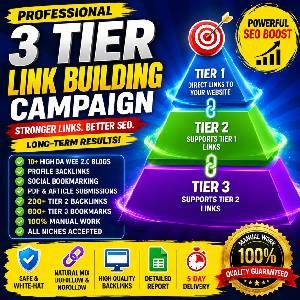
Every "quality" element comes back to one thing: how much equity the link transfers. When one page links to another, it passes a part of its own authority to the linked page.
Best Strategies for Managing Complex Link Campaigns
A page doesn't hand out the exact same total up to every target without limitations - it divides what it can pass across its outbound links. If Page A has one outbound link, many of its shareable equity can go to that single target. If Page A has 200 outgoing links, each one gets a smaller sized piece.
And it's why a link from a resource page listing 300 websites delivers less per-link value than a link from a concentrated article with five or six outgoing links. Dilution changes how you ought to price and prioritize opportunities. A guest post with three contextual outbound links passes more equity per link than a directory listing with hundreds.
These are 2 different equity streams, and they do various jobs. If a market blog site links to your guide, you get a share of that site's earned trust and authority.
GSA SER tiered projectsLinks from the homepage to classification pages, and from classification pages to individual posts, push that equity through your site structure. We control these links completely, which is why internal linking stays one of the most ignored SEO levers.
Integrating Data Analytics Into Advanced SEO Strategies
External links bring equity in. Strong backlinks with weak internal connecting still loses a lot of the value those links bring.
inform search engines not to follow a link and not to pass equity through it. Include rel="nofollow" and you close the pipe. Google likewise presented rel="sponsored" and rel="ugc" in 2019 as more specific options, and it treats all three as "tips" instead of strict instructions - but in practice, these links pass little or no equity.
If Googlebot can't crawl a page, it can't assess the links on that page or pass equity through them. That produces equity dead zones that stay undetectable until rankings stall. sit outside your internal link chart. No internal links indicate them, so equity from your stronger pages never ever reaches them.