Using Data-Driven SEO Analytics Insights
Finding and clearing them is among the highest-impact technical SEO jobs, and we cover the audit procedure later in this guide. Not every link passes the very same equity. These 7 elements control just how much value each link pushes, and they need to alter how we evaluate link opportunities. This is the biggest aspect.
That's likewise why link structure services cost by domain metrics. A DR 20 placement passes real but modest equity.
Domain authority isn't the complete story. Page-level authority matters too. A link from a site's most popular post - the one that has actually made its own backlinks with time - passes more equity than a link from a freshly published page on the same domain. Google has moved well beyond counting links.
A link from a digital marketing blog to your SEO guide brings more weight than a link from a cooking website, even if both sites have identical domain metrics. This is entity-based examination, not keyword matching. Google maps topic relationships at a conceptual level, then utilizes those relationships to price the link.
A page about "pasta dishes" connecting to that exact same SaaS page doesn't fit, and Google discount rates the equity to match. That discount rate is the part link contractors feel.
The Future of Authority Data Building Tactics
That context tightens up how Google translates the equity being passed. If 80% of your backlinks use the exact very same business anchor text, it reads like adjustment. Natural link profiles are untidy.
Where a link rests on the page affects its weight. Editorial links positioned within the body content carry the most equity. They're contextual - surrounded by appropriate text, integrated into the narrative, and placed where a reader would experience them. That "editorial" positioning matters due to the fact that Google treats it like an endorsement.
Google recognises that these structural links serve a various purpose than editorial recommendations. They still pass some equity, however far less than a link embedded in the primary material.
When a page links to 5 external websites, each link receives a strong share of that page's equity. When a page links to 500 external sites, the equity per link diminishes in proportion. That shrinking is why links from enormous resource pages or directories deliver less specific value than links from focused posts.
A guest post mentioning your service along with 2 or 3 others concentrates more equity on each link. Less outbound links means more equity per link.
Strategic Campaign Management for Complex Ranking Initiatives
Given that 2019, Google treats nofollow, sponsored, and UGC attributes as "hints" instead of instructions. Google can still pass some equity through nofollow links if it judges the link to be editorially put and relevant. In practice, the equity travelled through nofollow links stays very little and unreliable compared to dofollow links.
Nofollow links can drive referral traffic and brand name visibility, however they shouldn't be relied on for equity transfer. The technical health of both the linking page and the target page controls how equity moves. keep equity undamaged in both instructions. This is the ideal state. pass equity. Google confirmed in 2016 that all redirect types (301, 302, even meta refreshes) pass PageRank.
If URL A reroutes to B, which redirects to C, which reroutes to D, equity drops at each hop. Redirect directly from the old URL to the final destination. If the target page returns a 404, the connecting page's equity has nowhere to go.
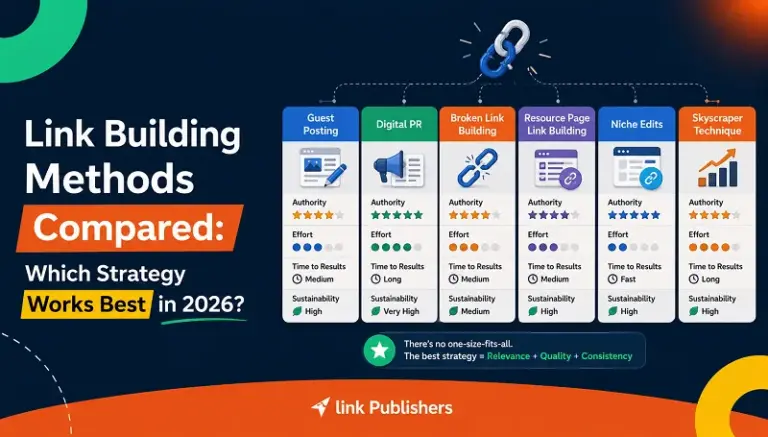
Not all backlinks are built the exact same method. Acquisition technique changes how equity reveals up, how quick you see motion, and where budget plan turns into rankings.